Dental problems are never any fun, but the good news is that most of them can be easily prevented. Brushing twice a day, flossing daily, eating properly, and regular dental check-ups are essential steps in preventing dental problems. These 7 common dental problems are easy to identify. But are they easy to treat and solve? Find out how to deal with cavities,…
The startling answer is YES, if left untreated, bacteria from infected gums can pass into the blood circulation. Latest research suggests these bacteria may increase your risk of heart disease, lung disease, diabetes and even some forms of dementia. There is more and more evidence that as well as ensuring a healthy mouth and teeth, preventing gum disease may have long-term…
Each year the Australian Dental Association’s major annual oral health campaign takes place in the first full week of August. The focus of this year’s campaign is on the harm sugar does to oral health, aiming to help Australians to ‘get sugar savvy’. The campaign includes recommended daily sugar consumption levels, advice on reading food labels, and spells out the effect sugar has…
Your smile is one of the first things people notice about you and having the confidence to flash your pearly whites shouldn’t be reserved to just those who can afford professional whitening. In this blog we give you some natural ways you can eat your way to whiter teeth! 1. MILK AND YOGURT Dairy products like yogurt and milk contain lactic…
One of the most effective ways to brighten your teeth is to have them professionally whitened. But how do we maintain that glorious white smile well after our procedure? In this blog we’ll give you some handy tips to ensure your smile remains bright and beautiful after leaving the dentist office. For the most part, good teeth whitening aftercare is essentially the…
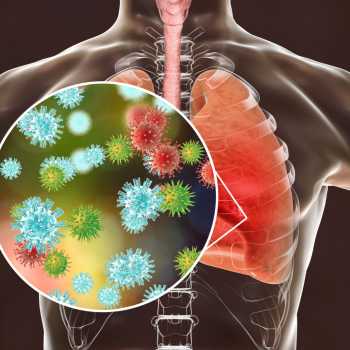
Pneumonia is a very serious respiratory infection of the lungs that can be caused by bacteria or viruses such as the latest Covid-19 where tiny sacs in the lung tissue become inflamed and fill up with fluid. Common Symptoms include cough, fever, chest pain, difficulty breathing, sweating and shivering. Pneumonia is made up of several sub-types including: Pneumonia is one…
We hear them all the time, and we’ve addressed many of them before. There are some deep-seated beliefs about your dental health that are hard to let go, but completely false. Below are some of the most common ones, debunked: Eating too much sugar (especially processed sugar) does increase your risk of tooth decay. As the sugary food is broken…
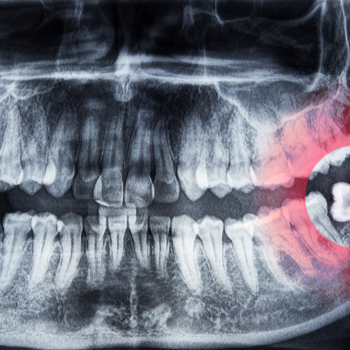
Sometime between the ages 17 and 21, most adults will develop their third set of molars. These molars are more commonly called wisdom teeth. Some people never get wisdom teeth, but for those who do, the number may be anywhere from one to four – and, on very rare occasions, more than four, according to a study published in the Journal of…
More than 80 million people suffer from chronic halitosis, or otherwise known as bad breath. In most cases it originates from the gums and tongue. Bad breath can be very embarrassing, but it is a common condition and there are numerous ways to prevent it. To reduce bad breath, help avoid cavities and lower your risk of gum disease, consistently…
Coffee, tea, red wine and some soda can all stain your teeth and darken your smile. But there are some everyday foods that can actually help whiten your teeth over time. They’re not as thoroughly effective as professional teeth whitening products—but they are cheap and natural. And that should leave you smiling. For a natural tooth exfoliator, try seeds and nuts. The…