
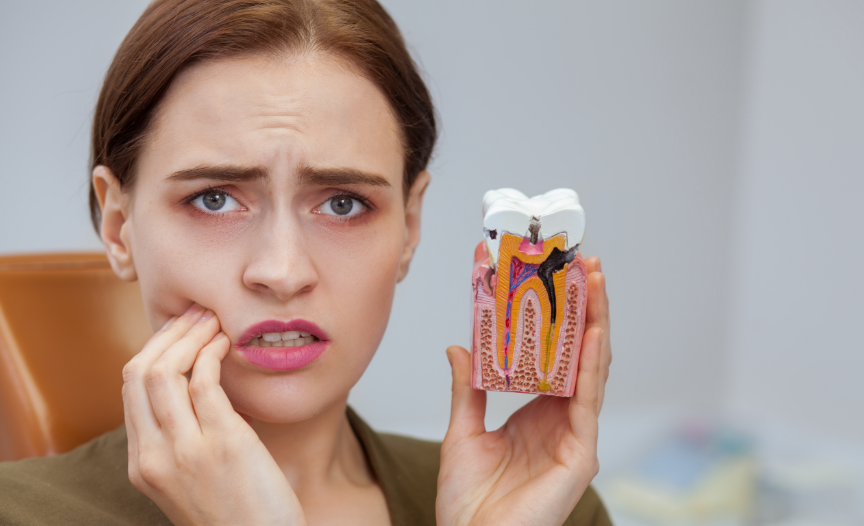
Emergency Dentist in Balwyn: When Could a Dental Problem Need Prompt Care?
A sudden toothache, chipped tooth, or dental injury might arise unexpectedly. When this happens, it may be difficult to know if waiting for a routine check-up with a dentist is suitable, or whether contacting an emergency dentist in Balwyn could be considered sooner. While certain issues may sometimes improve with basic care, others might require earlier attention. This guide may highlight how urgent dental situations could be recognised.
What Is a Dental Emergency?
A dental emergency generally refers to a problem that may require prompt professional assessment, as delaying care could increase discomfort or make the condition more difficult to manage.
After discussing your symptoms and examining the affected area, a dentist in Balwyn may determine whether your concern requires prompt management or whether a routine appointment might be appropriate.
Common Dental Emergencies to Watch For
Some dental concerns may require earlier attention than others. These may include:
- Severe toothache – Persistent or intense pain that does not improve with simple measures might indicate an underlying problem that could require assessment.
- Knocked-out tooth – A tooth displaced during an accident may sometimes have a better chance of being managed if assessed as soon as possible.
- Broken or chipped tooth – Depending on the extent of the damage, a fractured tooth could expose sensitive areas or create sharp edges that may irritate the mouth.
- Bleeding gums or soft tissue injuries – Ongoing bleeding after trauma might be considered a reason to seek dental advice without unnecessary delay.
- Swelling in the mouth or jaw – Swelling could sometimes be associated with infection or inflammation and may warrant timely assessment.
If you are unsure whether your symptoms are urgent, an emergency dentist in Balwyn may help assess the situation and discuss the most appropriate course of action.
Why Early Dental Assessment Could Be Helpful
Seeking dental care sooner could sometimes be beneficial. Depending on the nature of the concern, an assessment with a dentist in Balwyn may:
- Help identify the possible cause of your symptoms.
- Allow the severity of the concern to be evaluated.
- Support discussion of management options that might be suitable.
- Potentially reduce the likelihood of the condition becoming more difficult to manage.
- Offer guidance about caring for the affected area until further treatment, if required.
Every dental situation is different, and the most suitable approach may depend on your symptoms, oral health, and examination findings.
What Should You Do Before Your Appointment?
While waiting for dental advice, you may consider the following steps:
-
- Avoid chewing on the affected side of your mouth.
- Keep any broken pieces of a tooth if possible.
- Rinse your mouth gently if appropriate.
- Apply a cold compress externally if swelling occurs and it is suitable for your circumstances.
- Follow any guidance provided by your dental team.
- Contact the clinic if your symptoms change or become more concerning.
It is generally recommended to avoid attempting to repair damaged teeth at home, as this could potentially affect the condition further.
Unsure Whether You Need an Emergency Dentist in Balwyn?
If you are uncertain whether your dental concern requires prompt attention, it may be worthwhile contacting the team at Tower Dental. An emergency dentist in Balwyn may discuss your symptoms, advise whether an earlier appointment could be appropriate, and help determine whether urgent assessment or a routine dental visit may be the most suitable option for your individual circumstances.
Frequently Asked Questions
How do I know if I need an emergency dentist?
Severe tooth pain, swelling, bleeding after an injury, or a knocked-out tooth may require prompt dental assessment.
Can I wait to see a dentist for a toothache?
Some toothaches may settle, while others could indicate an underlying problem. A dental assessment may help determine the cause.
What should I do if I break a tooth?
Keep any broken pieces, if possible, avoid chewing on the affected side, and contact a dentist for advice.
Can a dental infection become serious?
Some dental infections could worsen if left untreated. If you notice swelling, increasing pain, or other concerning symptoms, seek dental advice promptly.
