
Single Tooth Implant Guide: Procedure, Healing Stages, and Suitability Explained
A gap from a missing tooth is not just a cosmetic concern. It can gradually change how your teeth interact, as neighbouring teeth may drift into the space. In some cases, this may also contribute to changes in the surrounding jawbone.
There are several ways to replace a missing tooth, and a single tooth implant may be considered depending on individual needs.
At Tower Dental, patients Near Canterbury, and nearby areas who are exploring single tooth implant options may undergo a clinical assessment. Following an examination, we explain which options may be appropriate, which could include an implant or other forms of tooth replacement.
Understanding Single Tooth Implant
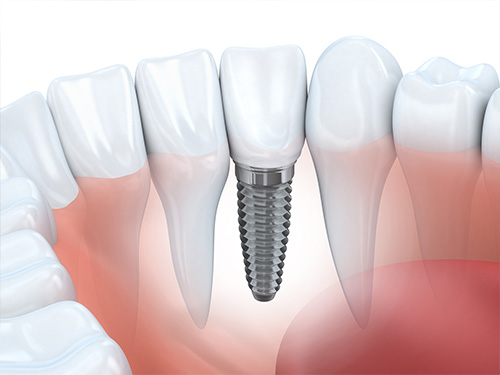
A single tooth implant is a treatment option that may be used to replace a missing tooth. It involves placing a small titanium post into the jawbone, which acts as a replacement for the tooth root.
During healing, the implant may join with the surrounding bone. This process is called osseointegration.
Once healing is complete, a crown is attached to the implant. The crown is made to sit above the gum and fill the space of the missing tooth.
What Should You Consider Before Getting a Dental Implant?
As with any dental procedure, implant treatment may not be suitable for everyone. Factors such as oral health, bone quality, medical history, and lifestyle habits can influence whether treatment is appropriate.
We will discuss potential benefits, risks, costs, and alternatives so you can make an informed decision about your care.
What Is the Process for a Single Tooth Implant?
Single tooth implant treatment is usually completed in stages, although the timeline and treatment approach could vary from person to person.
1. Consultation and Imaging
We may begin with a comprehensive examination, along with X-rays and sometimes a 3D scan. This helps us assess your bone, gums, and surrounding teeth, and determine whether implant treatment is likely to be suitable for your needs.
2. Implant Placement
If implant treatment is appropriate, we may place a titanium implant into the jawbone during a clinical procedure. Local anaesthetic is commonly used to help keep you comfortable throughout treatment.
3. Healing Period
Following placement, the implant typically needs time to heal and integrate with the surrounding bone. Healing times can vary, and in some instances, additional healing time may be required.
4. Crown Placement
Once healing is sufficient, a crown may be attached to the implant to complete the restoration of the missing tooth space. Each person’s healing and treatment timeline can be different. We will explain what to expect in your case during your consultation.
Do You Have Enough Bone for a Dental Implant?
For implants to be considered, sufficient jawbone support is often important. During your visit, we may assess whether there is enough bone to support implant placement.
If bone support is limited, we may discuss options such as bone grafting. In some cases, this could help create a stronger foundation for treatment. Whether an implant is suitable will depend on your individual circumstances, which we can discuss after your assessment
What Are the Possible Outcomes of a Single Tooth Implant?
Depending on the individual case, a single tooth implant may:
- Replace a missing tooth without involving neighbouring teeth
- Help restore chewing function
- Assist with speech function
- Fill the gap created by a missing tooth
- Support bone volume in the area of tooth loss
As with all dental procedures, outcomes vary between patients and no specific result can be guaranteed.
During your consultation, we will explain what you can realistically expect based on your oral health. This can be helpful for patients in Balwyn, Balwyn North, and nearby areas who are exploring tooth replacement options.
How Do You Care for a Dental Implant?
Like natural teeth, dental implants require ongoing care and maintenance.
To support long-term oral health, we may recommend:
- Brushing twice daily
- Cleaning between teeth and around the implant
- Regular dental check-ups and professional cleans
- Following personalised oral hygiene advice
Consistent care may help reduce the risk of complications, although individual outcomes can vary.
Discuss Your Dental Implant Options
If you’re considering a single tooth implant Near Canterbury, we can assess your oral health and discuss the treatment options available to you.
Where appropriate, we may also explore alternative solutions and help you understand the benefits, limitations, and considerations associated with each option, allowing you to make an informed decision about your dental care.
Areas We Serve: Balwyn, Balwyn North, Canterbury, Camberwell, Deepdene, Hawthorn, Surrey Hills, Kew, Mont Albert, Glen Iris, & Box Hill.
Frequently Asked Questions
How much does a single tooth implant cost?
The cost of a single tooth implant may vary depending on your individual needs, treatment complexity, and the materials used. In some instances, additional procedures like bone grafting may also be required, which could affect the overall treatment plan. Your dentist will usually provide a personalised assessment before starting treatment, so you know what is involved.
Is getting a single tooth implant painful?
The procedure is generally manageable since local anesthesia numbs the treatment area. After the numbness wears off, patients may experience mild discomfort similar to a tooth extraction. This sensation is sometimes controlled with standard over-the-counter pain relievers, which in some instances are only needed for a few days.
How long does a single tooth implant last?
A single tooth implant may last for many years and, in some instances, even decades with good oral hygiene and regular dental checkups. The titanium post placed in the jawbone is designed for long-term stability, while the crown on top may sometimes need replacement due to normal wear over time. In some cases, maintenance or updates could be required after 10 to 15 years.
How long does the single tooth implant process take?
The complete process may take three to six months to finish. While the surgical placement sometimes takes less than an hour, the jawbone requires time to fuse securely with the post. In some instances, additional healing time is essential before the final custom crown can be attached.
