
Night Guards
If you’re experiencing symptoms like a sore jaw, dull headaches, or tooth pain, you might be dealing with a condition known as Bruxism. Bruxism is a term used to describe the involuntary clenching and grinding of teeth, often without the person being fully aware of it. This condition can occur both during the day and while you sleep, leading to various issues including discomfort and tension in the jaw.
What is Bruxism?
Bruxism involves grinding or clenching your teeth, which can occur in various situations:
- While Sleeping: Many people grind their teeth at night, which can cause significant tension and discomfort upon waking. This is often a result of stress, anxiety, or an abnormal bite.
- During the Day: Teeth grinding can also happen during stressful situations, while concentrating, or even during physical activity. This can be less obvious but still lead to similar issues.
Symptoms of Bruxism
- Sore Jaw: Persistent jaw pain or soreness can result from the excessive pressure placed on the jaw muscles and joints.
- Headaches: Tension headaches are common as the muscles around your head and neck are strained.
- Tooth Pain: The constant grinding and clenching can wear down tooth enamel and lead to tooth sensitivity or pain.
Treatment with Night Guards
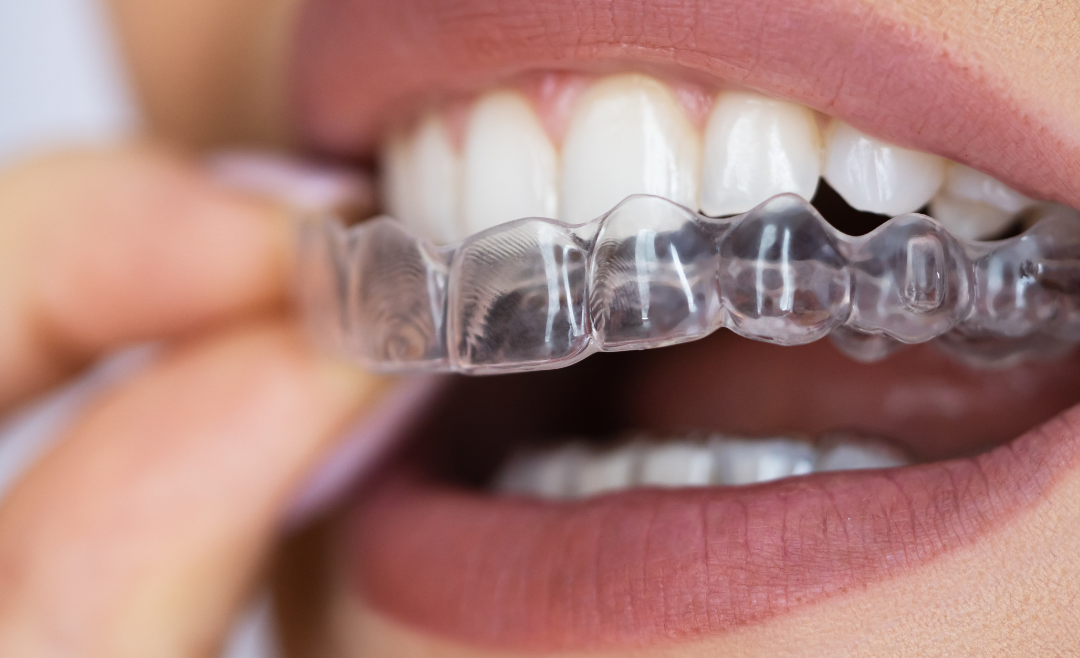
If you are diagnosed with Bruxism, your dentist may recommend a night guard. This is a custom-made appliance designed to protect your teeth from the damage caused by grinding and clenching. Despite its name, a night guard can be worn at any time during the day if bruxism occurs then.
- Custom Fit: Night guards are made specifically for your teeth, providing a comfortable fit and effective protection.
- Cushioning Effect: The device creates a barrier between your upper and lower teeth, absorbing the force of grinding and preventing direct tooth-to-tooth contact.
- Improved Comfort: Wearing a night guard can help alleviate the tension in your jaw muscles, reduce headaches, and prevent further damage to your teeth.
If you are suffering from symptoms of Bruxism, such as a sore jaw, dull headaches, or tooth pain, please do not hesitate to contact us. Our experienced team of dentists will assess your condition and determine the best course of action to relieve your discomfort and protect your dental health.
